
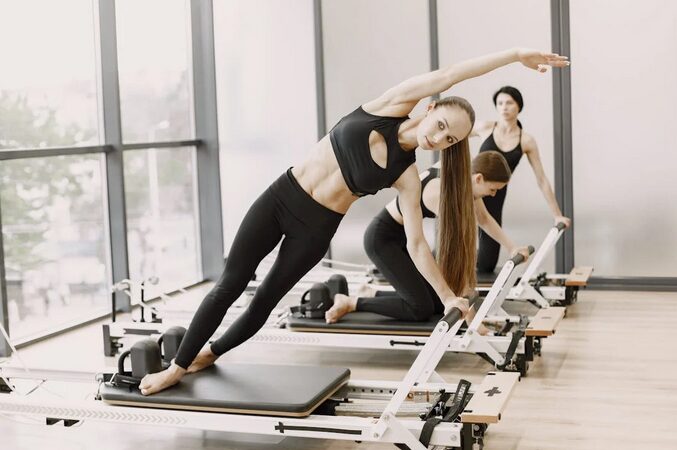
Creative Fitness Ideas for People Who Hate Traditional Workouts
For many people, the idea of fitness still brings to mind rigid routines, loud gyms, and repetitive movements that feel more like chores than self-care. That picture alone can be enough to kill motivation. Yet movement does not have to look like a standard workout to be effective. Creative fitness offers a refreshing alternative, blending physical activity with enjoyment, curiosity, and mental relief. Research continues to highlight how artistic practices proven to lower cortisol levels can support both emotional balance and physical vitality. When movement feels playful instead of forced, consistency often follows naturally. By shifting focus away from rules and reps, fitness becomes something you experience rather than endure, opening the door to habits that actually last.
Dance-Based Movement Without Rules
Dancing is one of the most accessible and freeing ways to move your body. You do not need choreography, mirrors, or an audience. Turning on music and moving however your body reacts allows you to burn calories while releasing tension. This form of movement improves coordination, balance, and cardiovascular health, all without the pressure of counting steps or sets. Styles can change daily, from slow stretching movements to fast-paced rhythm sessions. Dancing also encourages emotional expression, making it especially helpful on stressful days. Over time, this approach builds stamina and flexibility while keeping your mind engaged, making fitness feel spontaneous rather than scheduled.
Nature-Inspired Movement Sessions

Outdoor movement often feels less demanding than indoor workouts. Walking trails, beach paths, or garden spaces invite natural motion like bending, lifting, climbing, and stretching. Activities such as hiking, light trail walking, or even yard projects activate muscles while calming the nervous system. Fresh air and changing scenery help prevent boredom and mental fatigue. Nature-based movement also supports posture and joint health through varied terrain. Instead of repeating the same motion, your body responds to the environment in real time. This approach keeps fitness dynamic, grounded, and emotionally restorative without relying on structured exercise plans.
Creative Strength Through Daily Tasks
Strength training does not have to involve dumbbells and machines. Everyday actions such as carrying groceries, rearranging furniture, or lifting storage boxes provide resistance that challenges muscles. These movements improve functional strength, which supports better balance and injury prevention in daily life. Turning chores into intentional movement sessions reframes effort as purpose. You may squat while organizing shelves or stretch while reaching overhead. This method blends productivity with physical care, creating a sense of accomplishment beyond fitness goals. Over time, these repeated actions build muscle endurance and coordination without feeling like a formal workout session.
Mindful Flow Activities

Mindful flow activities focus on slow, continuous movement paired with breath awareness. Practices like gentle yoga, floor mobility work, or stretching sequences fall into this category. These movements encourage flexibility, joint lubrication, and muscular control while calming mental chatter. Flow-based fitness allows your body to guide the pace, reducing strain and frustration. Sessions can be short or extended depending on energy levels. Because there is no competition or rigid form, the experience feels supportive …

How Technology Is Helping Gyms Attract and Retain Members
The fitness industry has seen a dramatic shift recently, driven largely by advancements in technology. Today, gyms are no longer just physical spaces for workouts—they are digital ecosystems that connect, engage, and motivate members. Technology enables gyms to offer personalized experiences, streamline operations, and maintain high levels of member satisfaction. Clubfit Software Youtube channel provides insights into innovative tools that help gyms enhance their services, from mobile apps to cloud-based management systems. By integrating the latest technologies, fitness centers can attract new members, retain loyal clients, and create a modern, interactive environment that encourages consistent participation and long-term commitment.
Cloud-Based Management Systems
Cloud technology is revolutionizing how gyms operate behind the scenes. Centralized platforms streamline membership management, billing, and staff coordination. Cloud systems allow staff to access member records, schedule classes, and manage payments from anywhere, reducing administrative burdens. This efficiency translates to better service for members, faster responses to inquiries, and fewer errors in billing or scheduling. By providing real-time updates, gyms can optimize resources, monitor current trends, and make data-driven decisions that improve overall performance. Cloud solutions also support multiple locations, making it easier for chains or franchises to maintain consistency and high standards across their facilities.
Mobile Apps for Member Engagement

Mobile applications are increasingly essential for member interaction. Apps allow users to book classes, track workouts, and monitor progress from their phones. By providing easy access to schedules, notifications, and personalized programs, gyms make the experience more convenient and engaging. Members appreciate the ability to set goals, view progress charts, and receive motivational reminders, which fosters accountability. For gyms, apps facilitate direct communication and marketing, helping promote new programs or membership packages. Offering a seamless mobile experience can make the facility feel more connected to members’ daily routines, increasing client satisfaction and reducing the possiblity of cancellations or lapses in attendance.
Wearable Fitness Technology
Wearable devices like smartwatches, fitness bands, and heart rate monitors have transformed the way members track their performance. By syncing these devices with gym software, members gain insights into workouts, calories burned, and overall progress. This technology promotes goal-setting, self-monitoring, and engagement, which can increase motivation and attendance. Gyms benefit by collecting anonymized data to understand member behavior, preferences, and activity patterns. Integrating wearables with gym platforms also allows trainers to create more effective and personalized programs, enhancing the value of memberships and fostering stronger connections between members and staff.
Virtual and on-Demand Fitness Classes

The demand for flexibility in fitness has grown, and technology has enabled gyms to offer virtual or on-demand classes. Members can participate from home or while traveling, removing barriers like commuting or time constraints. This flexibility improves retention, as members can maintain their routines regardless of location or schedule changes. Gyms can expand offerings without physical limitations, reaching a wider clientele base and creating new revenue streams. High-quality streaming platforms and interactive video classes provide a sense of community, encourage participation, and replicate the energy of in-person sessions, making technology an indispensable tool in modern fitness engagement.…

Common Mistakes in Weight Training and How to Fix Them
Weight training is one of the most effective ways to build strength, improve fitness, and shape the body. However, it is also an area where many beginners and even experienced lifters make mistakes that limit progress or lead to injury. The gym can be intimidating, and in the rush to see results, people often overlook the basics that ensure long-term success. There are several habits that sabotage your workout progress, and it is important to know them. Recognizing the most common mistakes in weight training and knowing how to fix them is essential if you want to maximize your workouts while staying safe.
Poor Lifting Techniques

One of the most frequent errors in weight training is using incorrect form. Many lifters compromise technique in an attempt to move heavier weights, but this often results in unnecessary strain on joints and muscles. Poor form not only reduces the effectiveness of the exercise but also increases the risk of injury. The solution is to focus on lighter weights at the beginning, paying close attention to posture, breathing, and controlled movements. Once form is perfected, gradually adding more weight ensures that strength develops safely and efficiently.
Lifting Too Heavy Too Soon
Many gym-goers assume that the fastest way to build muscle is by lifting the heaviest weights possible. Unfortunately, this often leads to burnout or injury when the body is not ready for such loads. Progressive overload, which involves gradually increasing the weight as strength improves, is a safer and more effective strategy. By starting with manageable weights and focusing on controlled progress, you build both muscle and confidence without unnecessary risks.
Skipping Warm-ups and Cool-Downs

Another common mistake is heading straight into lifting without warming up or ending a session without cooling down. Warm-ups are critical because they prepare the muscles and joints for the stress of training, reducing the risk of strains. Similarly, cool-downs with stretching help improve flexibility and recovery. Fixing this mistake is simple; spend at least a few minutes on dynamic stretches or light cardio before lifting, and finish with gentle stretches to keep your body in balance.
Ignoring Personal Goals
It is easy to get caught up in what others are doing in the gym, but not every training style fits every person. Copying routines without considering your own fitness level, goals, and limitations can lead to frustration and wasted effort. Instead, design a program that aligns with your specific objectives, whether that is building strength, improving endurance, or losing weight. By staying focused on your personal path, you are more likely to achieve consistent and meaningful results.
Neglecting Rest and Recovery

Weight training does not only happen in the gym—progress continues during recovery. A common mistake is training the same muscle groups every day without giving them time to repair. This not only slows down progress but can also lead to overuse injuries. The fix is to incorporate rest days and alternate between different muscle groups, allowing each area to recover fully. Adequate sleep and …

Common Dieting Myths That Could Be Holding You Back
When trying to lose weight, especially in college or during a busy season of life, it’s easy to get sidetracked by misinformation. The internet is overflowing with diet advice—some helpful, some outdated, and some downright misleading. These myths not only slow down your progress but can also harm your relationship with food. Before you dive into another extreme meal plan or give up on your goals, check out this list of student-friendly weight loss tips that can help you build healthier habits without overcomplicating things. Let’s now break down some of the most common dieting myths that may be interfering with your results—and what you should know instead.
Carbs Are the Enemy
One of the most widespread misconceptions is that cutting carbs leads to rapid weight loss. The truth is, carbs are not inherently fattening. Your body needs carbohydrates for energy, especially if you’re active. Whole grains, fruits, and vegetables are packed with fiber and nutrients that support healthy digestion and fuel your brain and muscles. Low-carb diets can lead to short-term weight loss due to water loss, but they’re hard to maintain. The moment you return to regular eating, the weight tends to come back. Instead of avoiding carbs completely, focus on balance. Choose minimally processed options like oats, sweet potatoes, and brown rice rather than white bread or sugary snacks.
You Have to Eat Less to Lose Weight

Cutting calories drastically may sound logical, but it can backfire fast. Your metabolism slows down, and you may feel tired, moody, and more prone to overeating later. Skipping meals or going long periods without eating can also lead to binge eating, which defeats the purpose. Rather than starving yourself, aim to eat in a slight calorie deficit. Include enough protein and healthy fats to keep you full, and don’t be afraid to snack if you’re hungry. Sustainable weight loss comes from steady changes—not extreme deprivation.
All Calories Are Created Equal
Technically, a calorie is a unit of energy. But not all calories impact your body the same way. Three hundred calories from a donut won’t have the same effect as 300 calories from a veggie-packed salad with lean protein. The source of your calories affects your hunger levels, energy, blood sugar, and even how much your body burns during digestion. Quality matters. Prioritize foods that nourish your body and keep you satisfied for longer. This doesn’t mean you have to avoid your favorite treats forever—but they shouldn’t make up the bulk of your intake either.
Supplements Are Necessary for Weight Loss

The supplement industry is massive, and many products promise fast fat-burning results. But let’s be honest—most of them are unnecessary. Relying on pills, powders, or teas won’t magically make you lose weight if your eating and activity habits aren’t consistent. Some supplements like protein powder or multivitamins can be helpful depending on your diet, but they’re not essential for success. Focus instead on building routines you can stick with—moving your body regularly, eating balanced meals, drinking enough water, and …

Addiction Is a Disease, Not a Decision: The Science Behind Substance Use Disorders
When someone struggles with addiction, it’s easy for outsiders to assume it’s a matter of bad choices or a lack of willpower. But that view is not only outdated—it’s harmful. Modern science shows us that addiction is a complex brain disease that changes how a person thinks, feels, and behaves. Understanding the biological and psychological roots of substance use disorders helps shift the conversation from blame to compassion, and more importantly, toward effective treatment.
Addiction Physically Changes the Brain
Substance use disorders cause measurable changes in the brain, particularly in areas responsible for judgment, decision-making, memory, and reward. Drugs and alcohol flood the brain with dopamine, a neurotransmitter that creates feelings of pleasure. Over time, the brain acclimates by lessening its natural dopamine production, making it more difficult for someone to feel good without using. This helps explain why quitting isn’t as simple as just stopping—it requires undoing powerful chemical dependencies that have taken hold over time.
Treatment Needs to Be Holistic and Compassionate

Because addiction is a disease, treatment must go beyond simply addressing the physical dependency. A comprehensive approach—often found at a quality drug and alcohol rehab centre in Sydney—includes mental health support, behavioral therapy, and social reintegration. The goal is to treat the person, not just the addiction. Recovery is a long-term process that involves managing triggers, building resilience, and developing new habits and support systems.
It’s Not About Weakness or Morality
Too often, people view addiction through a moral lens, believing it reflects poor character or laziness. But addiction can affect anyone, regardless of background, income, or education. Genetics, trauma, mental health issues, and environmental influences all play major roles in determining who may develop a substance use disorder. That’s why judgment doesn’t help—it only increases stigma and prevents people from seeking the support they need. Many individuals begin using substances as a coping mechanism, and over time, that coping becomes a compulsive, uncontrollable pattern.
Relapse Is Part of the Disease, Not a Failure

Recovery from addiction isn’t a straight line. Like many other chronic illnesses, such as diabetes or hypertension, substance use disorders often involve periods of relapse. This doesn’t mean that treatment has failed or that the person isn’t trying hard enough. It simply means the disease is flaring up, and adjustments in care may be needed. Understanding relapse as part of the journey helps reduce shame and encourages people to continue pursuing recovery instead of giving up after a setback.
Early Intervention Makes a Difference
One of the most powerful ways to reduce the long-term impact of addiction is to recognize it early and take action. The earlier someone receives support, the better their chances of successful recovery. Families, friends, and communities can play a big role by learning the signs of substance use disorders and encouraging compassionate conversations rather than confrontation or shame. When addiction is treated like the medical condition it is, people are far more likely to seek help and stay engaged in their treatment journey.
Addiction is not …

Comparing Dental Implants to Bridges: Which Is Healthier for Long-Term Oral Care?
When comparing the two, dental implants often emerge as the healthier choice for long-term oral care. They protect bone, preserve adjacent teeth, and enhance overall dental care by reducing the likelihood of further dental issues. Bridges still offer a functional and aesthetic solution, but they may compromise surrounding teeth and do not prevent bone loss. Choosing implants can help maintain a strong, healthy smile well into the future.
Bridges: A Classic Approach
Dental bridges, on the other hand, rely on adjacent teeth for support. The teeth next to the gap are filed down to hold a prosthetic tooth in place. Bridges can restore a smile effectively and are often completed in fewer visits than implants. They remain a common choice due to lower initial costs and the avoidance of surgery.
Dental Implants: A Permanent Solution

Dental implants consist of titanium posts that are surgically placed into the jawbone. They function as artificial tooth roots, providing a stable foundation for crowns, bridges, or dentures. A major benefit is their ability to fuse with the bone through a process known as osseointegration, ensuring long-term stability and strength. This connection preserves bone density, stabilizes the jaw, and prevents the sunken appearance that often follows tooth loss.
Impact on Surrounding Teeth
One of the most important considerations in long-term oral health is the effect on surrounding teeth. Dental implants do not require altering adjacent teeth. Each implant stands independently, which helps preserve natural tooth structure. Bridges, however, necessitate reshaping neighboring teeth, which can weaken them over time. This can lead to future dental work or increased risk of decay.
Bone Health and Jaw Stability
Bone preservation is another key factor. Implants stimulate the jawbone just like natural tooth roots, maintaining density and preventing bone loss. This stimulation ensures the jaw remains strong and properly aligned. Bridges do not provide this benefit. Over time, the jawbone under the missing tooth can deteriorate, potentially altering facial structure and complicating future dental procedures.
Longevity and Maintenance

Dental implants are designed for durability. With proper oral hygiene and regular dental check-ups, implants can last decades, often a lifetime. Bridges may last 10 to 15 years, depending on oral care and wear. While both require cleaning, implants can be cared for much like natural teeth. Bridges require meticulous flossing under the pontic, which can be tricky for some patients.
Healthier Choice for Overall Oral Care
When comparing the two, dental implants often emerge as the healthier choice for long-term oral care. They protect bone, preserve adjacent teeth, and reduce the likelihood of further dental issues. Bridges still offer a functional and aesthetic solution, but they may compromise surrounding teeth and do not prevent bone loss. Choosing implants can help maintain a strong, healthy smile well into the future.
Ultimately, the choice between implants and bridges depends on several factors: overall health, bone density, budget, and personal preference. Consulting with a dental specialist ensures that each patient receives a solution tailored to their needs. Specialists evaluate oral structure, medical history, …

Soccer Injuries You Can’t Afford to Ignore
Soccer looks smooth on TV, but ask any regular player. It’s brutal on the body. Between sprints, tackles, and awkward landings, the list of potential injuries stacks up fast. While you’re busy scrolling the best offshore betting sites, your body might be waving a red flag you haven’t noticed yet. Here’s what you need to keep an eye on before that next kick sends you straight to the bench.
Hamstrings
You’re halfway through a match, chasing the ball like your life depends on it, then snap. That back-of-the-thigh sting isn’t just soreness. It’s your hamstring reminding you who’s boss. This injury loves lazy warm-ups and poor hydration. Smart players treat leg days with respect. Stretch right. Don’t skip recovery. And maybe slow down a tad when you feel that first weird pull.
The Ankle Shuffle

Ankles get more drama than any other joint on the field. You pivot, land weird, or someone else steps into your space. Next thing you know, it’s swelling like a balloon. Even light sprains mess with your confidence. After one bad roll, players often hesitate on their cuts, and that hesitation can be costly. Supportive gear helps, but strengthening and balance drills go a lot further than tape.
Sneaky Groin Pain
No player brags about a groin strain, but it’s one of those injuries that creeps in and ruins everything. A little tightness turns into full-on agony if you ignore it. Most of the time, it’s overuse or bad form. Don’t stretch too far. Don’t overtrain. And if it hurts when you walk, don’t force a sprint. Soccer might be about hustle, but your groin didn’t sign up for that much enthusiasm.
Meniscus Mayhem

It’s not just your ACL that needs protection; knees deal with all sorts of drama. The meniscus, that handy cartilage in the middle of the knee, can tear with one fast twist. And half the time, you don’t even know you did it. It swells slowly. Players try to shake it off, but that’s a fast track to surgery. Respect your knees. Ice them.
Shin Splints
They’re not flashy. They don’t break bones. But shin splints nag like no injury you’ve ever met. They thrive on poor shoes and hard fields. And once they settle in, they don’t leave without a fight. You might think it’s just “normal soreness.” It’s not. Rest up. Swap shoes. And maybe don’t run three practices in one week without checking your form.
Nobody wants to sit out. But pushing through pain doesn’t make you a warrior, it makes you reckless. Injuries in soccer are part of the deal, but how you handle them says everything. Warming up, cross-training, and listening to your body aren’t “soft” habits. They’re survival tactics. Treating early signs seriously is the difference between playing and watching. Injuries don’t always shout. Sometimes, they whisper. And smart players? They learn to hear it before it turns into a scream.…

Can Overtraining Affect Your Child’s Sleep? Signs to Watch For
Physical activity plays a key role in children’s health. Sports, dance, and play help build strength, coordination, and confidence. But when the activity becomes too much, it can lead to unexpected problems especially with sleep. While regular exercise often improves rest, overtraining can have the opposite effect. Understanding the signs and knowing what to look for can help you find the right balance, and this article shares surprisingly helpful kids’ sleep tips to guide you along the way.
What Overtraining Looks Like in Kids
Overtraining doesn’t just happen to adult athletes. Children can also push past their limits. It may start with long practices, daily workouts, or packed sports schedules. Over time, the body and mind don’t get enough time to recover. This leads to fatigue, irritability, and a drop in performance. For children, overtraining may not always be easy to spot. They may want to keep up with teammates or meet the expectations of coaches and parents. But their developing bodies need more rest than adults, and they may not recognize when they’ve pushed too far.
How Overtraining Disrupts Sleep Patterns
One of the earliest signs of overtraining is a change in sleep. A child who’s physically and mentally overworked may struggle to fall asleep. Their nervous system stays activated, even after activity ends. Instead of winding down, their body stays alert. This can lead to tossing, turning, and frequent night waking. On the flip side, some children may feel exhausted but still wake up too early or feel unrefreshed after sleep. Over time, disrupted rest prevents full recovery, creating a cycle that affects both physical and emotional well-being.
Stress Hormones and Sleep Interference
When a child is overtraining, stress hormones like cortisol stay elevated for longer periods. Cortisol helps the body respond to physical demands. But if it stays high into the evening, it interferes with melatonin the hormone that helps signal sleep. This hormonal imbalance can lead to delayed bedtimes, restless sleep, and early morning waking. The result is poor-quality rest, even if your child is in bed for the right number of hours. In growing bodies, this has long-term effects on mood, focus, and physical recovery.
Emotional Clues That Point to Overtraining

Sleep isn’t the only thing affected. A child who is overtrained may show emotional changes before physical ones. Watch for increased irritability, sudden mood swings, or a drop in enthusiasm for activities they used to enjoy. These shifts often surface when a child is no longer recovering well. Anxiety before practices, complaints of feeling “tired but wired,” or emotional breakdowns over small issues can also signal a problem. These emotional signs are often connected to poor sleep caused by overtraining.
Physical Symptoms That Disrupt Rest
Muscle soreness, joint pain, or frequent headaches can also interfere with sleep. If a child’s body never gets the chance to fully recover, these symptoms may become nightly obstacles. They might toss and turn or wake frequently to adjust their position. Pain, even mild, can keep kids from reaching …

The Different Ways to Support Wound Healing
Wound healing is a fascinating process that the body undergoes to repair itself. Whether it’s a minor cut or a more significant injury, supporting this natural function can make all the difference in recovery time and overall health. There are various methods available to enhance wound healing, each with unique benefits. From innovative therapies like red light therapy beds to simple yet effective home care strategies, understanding these options can empower you on your healing journey. Let’s explore some of the most effective ways to support your wounds as they mend and rejuvenate.
Opt for Red Light Therapy Beds for Severe Wounds
Red light therapy beds are gaining popularity for their ability to accelerate the healing process. This innovative treatment utilizes specific wavelengths of light that penetrate the skin, promoting cellular repair and regeneration. For those new to this wellness trend, a beginner’s guide to light therapy can help explain how and why it works. When exposed to red light, cells become more energized. This boost helps speed up tissue repair and reduces inflammation, making it particularly effective for wounds and injuries. Many users report a noticeable improvement in recovery time following surgeries or trauma. Additionally, red light therapy is non-invasive with minimal side effects. Sessions are typically short, often lasting only 10 to 20 minutes.
Ensure Proper Wound Care
 Proper wound care is essential for a smooth recovery. Start by cleaning the area gently with soap and water. This helps to remove dirt and bacteria. After cleansing, pat the wound dry with a clean towel. Avoid rubbing, as this can cause irritation or further damage. Next, apply an antibiotic ointment if recommended by your healthcare provider. Cover the wound with a sterile bandage or dressing to protect it from contaminants.
Monitor for Signs of Infection
Monitoring for signs of infection is crucial when caring for a wound. An infected wound may display specific symptoms that can escalate quickly. Look for increased redness around the area. If the skin appears more inflamed than usual, it could be a warning sign. Swelling and warmth are also indicators to watch out for. These changes often signal that your body is fighting off an infection. Pay attention to any unusual discharge as well.
Follow Medical Advice

Following medical advice is crucial for effective wound healing. Your healthcare provider knows best how to manage your specific situation. Ensure you attend all follow-up appointments. These visits allow your doctor to monitor progress and make necessary adjustments to your treatment plan. Taking prescribed medications as directed can significantly aid recovery. Pain relief helps maintain comfort, while antibiotics may prevent infections. Don’t hesitate to ask questions if something isn’t clear. Understanding the rationale behind each instruction empowers you in your healing journey.
Wound healing is a multifaceted process that requires attention and care. By incorporating various methods, individuals can significantly enhance their recovery experience. Red light therapy beds offer innovative support by promoting cellular regeneration. Proper wound care practices are essential for minimizing complications and supporting healing. …

Train Your Brain Like a Muscle
Focus isn’t born, it’s built. Much like abs or biceps, mental endurance takes repetition, not magic. Before you blame yourself for zoning out again, let’s rethink the approach. You’ll find these routines useful, highlighting ways to boost focus and get work done. Physical wellness plays a surprising role in staying sharp.
Fuel Doesn’t Come in a Coffee Cup
Even habits that feel minor, like breathing deeply or stretching, can shift your entire mindset. You know the drill: late night, early alarm, back-to-back tasks. Your first move? Probably caffeine. Maybe sugar. But your brain’s engine wasn’t meant to run on fumes and quick fixes. Real energy comes from food that does more than fill space. Think protein-rich breakfasts. Think complex carbs. Add water, lots of it. It’s not glamorous, but neither is crashing mid-task. And yes, skip the third espresso. It tricks you into alertness, then pulls the rug out an hour later.
Sleep Like You Mean It
All-nighters aren’t badges of honor. They’re receipts for bad decisions. You think you’re getting ahead, but your focus is a fraction of what it could be with real sleep. Even a 20-minute nap can recharge more effectively than scrolling through your feed pretending to “take a break.” Sleep is when your brain files away chaos.
Movement Isn’t a Distraction, It’s a Reset Button

No, sitting for five hours doesn’t make you disciplined. It makes you stiff. And sleepy. Exercise doesn’t have to mean full-on workouts. Short walks, neck rolls, or a minute of jumping jacks do the trick. The point is to break the pattern of stillness. Motion fuels circulation. More blood to your brain means more clarity to your thoughts. If you’ve ever had your best ideas in the shower, you already know movement unlocks thinking.
Set the Scene Like a Stage
You can’t focus in a tornado. Clutter distracts. Noise interrupts. Even bad lighting makes your brain work harder than it needs to. Create your space like you’re casting a spotlight on the task. That doesn’t mean sterile or boring. It means intentional, maybe a candle or favorite hoodie, or even silence or a lo-fi playlist. Make it yours and consistent.
Be Your Own Coach, Not Your Critic
Here’s the tricky part: mental health and motivation dance together. One throws the party, the other decides if you show up. You don’t need to be perfect. You need to be persistent. Self-discipline gets better with small wins. Give yourself credit for those wins. Talk to yourself like you’d talk to a stressed friend: “One step at a time.” “Let’s just start.” “It’s okay to pause.” That kind of voice keeps you grounded when stress wants to run the show. After all, building focus is like training a muscle, it needs consistency, not pressure.
So, fuel your body with real nutrition, move often, sleep well, and create a distraction-free space. Small wins matter. Instead of being self-critical, coach yourself with kindness. These habits strengthen both mental clarity and motivation without burning you …

Health Benefits of Hiking
Hiking seems to be one option that all adventure seekers and nature enthusiasts always put on the list. Whenever they have free time, sorting out all the gear and equipment before going to the hiking site is something that they prefer to do. Although it is only a matter of a preferred physical activity, hiking proves to have great benefits for health. It is also a great way to motivate those who prefer to sit all day inside and try to make them move their bodies.

Fitness
The term fitness can be too broad to describe things like this matter. However, it is still one adequate term to explain what one will get if they hike regularly. Walking up and down the hill means moving the entire body, especially the legs. When you do it frequently, your body will start making adjustments to accommodate your movement. You will probably see swollen calves and thighs, but it is only part of the overall positive changes. Increasing muscle mass is a sign that your muscles get appropriate chances to move, and it is where fitness begins to appear. Those with a fit body is not those with a naturally slender body, but those who move and exercise regularly. It is something that needs redefinition as people these days tend to believe that being fit means being slender.
A Fun Way to Exercise
Those who like nature can benefit from their hobby to accommodate their needs for proper exercise. They can easily hike up and down the hill or mountain while enjoying themselves. One good thing about hiking is that it also makes a great workout. Hiking for one hour can burn 500 calories, which is quite a spectacular number for a fun workout. Compared to other types of exercise, such as jogging or running, hiking can sometimes be much easier if you know how to do it. Instead of a rocky and extremely steep trek, it is advisable to hike through a flatter hiking trek.
Weight Loss
Hiking also encourages weight loss. Those who need to shed those extra pounds off of their body can go hiking at least twice a week. However, note that different people may have different conditions, body types, and metabolism. You cannot expect to lose a few pounds during a certain period only because other people have successfully lost weight. Instead, you need to understand your basic metabolism, along with your body endurance. Then, you can plan a personalized hiking program if you aim for faster weight loss.…

The 5 main reasons for getting Fitbit for children
Advancements in consumer technology continue to offer parents the best methods of monitoring children’s activities to improve their health and keep them safe. One such advancement that you could readily buy today is the Fitbit for children. It is a gadget meant to transfer the nice opportunities of health and movement monitoring that adults already enjoy to the child. There are some reasons that anyone might consider for getting the device. Here is a selection of the five best excuses for getting the Fitbit for children.
Fitbit offers 24/7 monitoring
The Fitbit tool is incredible because you only need to strap it on the child and it will commence data collection. It will cover the physical number of steps taken by the child while monitoring other physiological functions of the child. Therefore, it is a good, nice gimmick for letting a child stay fashionable while coping with advanced demands for raising genius children.

It teaches the child goal achievement

Children learn to strive for goals and achieve them when they get a Fitbit. They will see the importance of sticking to the task until completion. For example, they will realize that if they keep walking, they can achieve a target number of steps that they were eyeing from the start.
Children learn good sleeping habits
The gadget keeps tracking always and offers real-time feedback. Thus, it can inform kids about the day’s energy expenditure and need to relax. The constant reminder will eventually instill in them a habit of going to sleep after they finish work for a day instead of vegetating in front of the TV and promoting other unhealthy lifestyles. Consequently, sleeping well every night will make the children wiser and more intelligent in school. The indirect effect of the gadget is worth seeking.
It is a healthy and safe way to encourage sport etiquette

The children can play together with their Fitbit keeping score of who was the fastest. The healthy competition keeps the children focused on the right goals in life. They will know how to measure their progress and use it as a basis for claiming winnings and encourage their peers to play with them. The availability of information at the hands of the kids does wonders in keeping them organized and professional as they play.
Parents can improve their understanding of the child
When you have a gadget collecting data and telling you what your child is doing, then you will be in a position to make an informed decision. Parents who get Fitbit and use it to monitor children will know the level of activity that the child is undertaking daily. They will be in an excellent position to recommend more action or ask their children to take a rest. They will also keep the affairs of the kids in check based on the feedback obtained from Fitbit.
The benefits of the Fitbit for children option are worth pursuing. These points just highlight the tip of the iceberg. Many more ingenious ways …

Testosteron Kaufen – Top Tips To Follow
Buying testosterone boosters can be an arduous task especially now that the market is flooded with so many products. Most people have tried many products without success in getting legit and working products. In other occasions, people lose money to fraudsters during the buying process, especially through online sellers. So, how can one go about7? There are many useful tips one can use to ensure they get the best products. This article will highlight some of the best.
Top tips for buying testosterone boosters
Research on various testosterone boosters
 With relevant information, one can easily identify genuine or fake products from a seller. With a good filtering knowledge, one can sort out the useful products from those that are not. It is not advisable to settle for the first product or seller you come across as this can lead you to poor products. Some of the most interesting points to look for include, the ingredients, manufacturing conditions, approval for sale seals by relevant bodies and expiry dates.
Consider high-end products
The review websites provide a good start off when looking for high-end products. They use various research and survey results to rate the products in the market. A comparison between different rating sites will help one make a prudent decision particularly on those products that appear on all.
Such products are made of natural products that trigger the production of testosterone by the body. Likewise, they will not have any chemical additives which may have adverse health effects to the users. On the other hand, the unknown manufacturers cannot be trusted to offer legit products. Do not risk going for this in excuse of saving money.
Take the trial samples
 Some suppliers offer trial basis with a guaranteed money-back one does not like the product. Since the effects can be seen after some time, then making a decision on the trial program is easy. Such programs vary where one can pay for the trial program prior, others after and yet others will not ask for a dime on this.
Only buy from reliable sellers
How can one know a reputable retailer? Well, there are many ways to comprehend this. Since most sellers will be online, one can check for clients feedback and see what people say about them. Similarly, such clients offer comprehensive websites with products descriptions and benefits. You can also check at the end of the site to see if there is any seal from endorsing and approving bodies.…

