
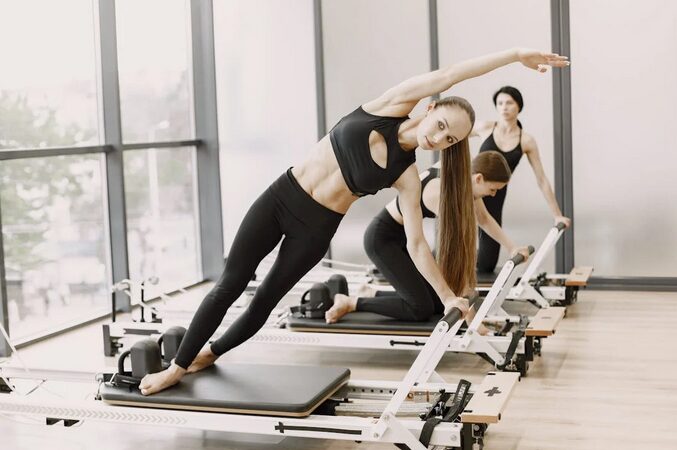
Creative Fitness Ideas for People Who Hate Traditional Workouts
For many people, the idea of fitness still brings to mind rigid routines, loud gyms, and repetitive movements that feel more like chores than self-care. That picture alone can be enough to kill motivation. Yet movement does not have to look like a standard workout to be effective. Creative fitness offers a refreshing alternative, blending physical activity with enjoyment, curiosity, and mental relief. Research continues to highlight how artistic practices proven to lower cortisol levels can support both emotional balance and physical vitality. When movement feels playful instead of forced, consistency often follows naturally. By shifting focus away from rules and reps, fitness becomes something you experience rather than endure, opening the door to habits that actually last.
Dance-Based Movement Without Rules
Dancing is one of the most accessible and freeing ways to move your body. You do not need choreography, mirrors, or an audience. Turning on music and moving however your body reacts allows you to burn calories while releasing tension. This form of movement improves coordination, balance, and cardiovascular health, all without the pressure of counting steps or sets. Styles can change daily, from slow stretching movements to fast-paced rhythm sessions. Dancing also encourages emotional expression, making it especially helpful on stressful days. Over time, this approach builds stamina and flexibility while keeping your mind engaged, making fitness feel spontaneous rather than scheduled.
Nature-Inspired Movement Sessions

Outdoor movement often feels less demanding than indoor workouts. Walking trails, beach paths, or garden spaces invite natural motion like bending, lifting, climbing, and stretching. Activities such as hiking, light trail walking, or even yard projects activate muscles while calming the nervous system. Fresh air and changing scenery help prevent boredom and mental fatigue. Nature-based movement also supports posture and joint health through varied terrain. Instead of repeating the same motion, your body responds to the environment in real time. This approach keeps fitness dynamic, grounded, and emotionally restorative without relying on structured exercise plans.
Creative Strength Through Daily Tasks
Strength training does not have to involve dumbbells and machines. Everyday actions such as carrying groceries, rearranging furniture, or lifting storage boxes provide resistance that challenges muscles. These movements improve functional strength, which supports better balance and injury prevention in daily life. Turning chores into intentional movement sessions reframes effort as purpose. You may squat while organizing shelves or stretch while reaching overhead. This method blends productivity with physical care, creating a sense of accomplishment beyond fitness goals. Over time, these repeated actions build muscle endurance and coordination without feeling like a formal workout session.
Mindful Flow Activities

Mindful flow activities focus on slow, continuous movement paired with breath awareness. Practices like gentle yoga, floor mobility work, or stretching sequences fall into this category. These movements encourage flexibility, joint lubrication, and muscular control while calming mental chatter. Flow-based fitness allows your body to guide the pace, reducing strain and frustration. Sessions can be short or extended depending on energy levels. Because there is no competition or rigid form, the experience feels supportive …

Is Jumping the Most Underrated Full-Body Workout?
Jumping is often seen as a simple movement, but it’s actually one of the most effective full-body workouts you can do. It builds strength, improves coordination, and enhances cardiovascular health all at once. Professional athletes, like a high jumper, demonstrate how explosive power and balance come together in this dynamic exercise. Whether through jump training, plyometrics, or simple rope skipping, incorporating vertical movement into your routine can significantly boost performance. It’s a versatile and accessible workout that challenges your body in ways few other exercises can.
The Science Behind the Jump
 When you jump, your body activates multiple muscle groups at once. Your legs, glutes, and core provide power, while your arms help with balance and momentum. This coordinated effort improves muscle tone and boosts functional strength, the kind you actually use in everyday movement. Because jumping demands quick bursts of power, it trains both fast-twitch muscle fibers and cardiovascular endurance at the same time. In addition to muscle development, jumping enhances bone density, which becomes increasingly important as we age. The impact forces the body to adapt by strengthening bones and joints. Done regularly and with proper form, jumping can help reduce the risk of injuries caused by weak connective tissues or poor balance.
A Cardio and Strength Combo
Jumping is unique because it offers both cardiovascular and strength benefits in a single movement. A few minutes of intense jumping can raise your heart rate as effectively as a long jog while also engaging muscles across your body. This makes it perfect for anyone short on time but determined to stay fit. What makes jumping even more appealing is how easy it is to adjust intensity. You can start with light hops or rope skipping, then progress to advanced variations like jump squats or box jumps. Each version challenges your coordination, stability, and stamina differently, keeping your workouts fresh and effective. And unlike some repetitive cardio exercises, jumping remains engaging and fun, which helps maintain consistency over time.
The Mental Boost You Did Not Expect

Jumping does not just strengthen the body; it also benefits the mind. The rhythmic motion and quick bursts of movement help release endorphins, which can lift mood and lower stress. Many athletes describe jumping routines as both energizing and meditative, providing a mental reset after a long day. The sense of progress—jumping higher, faster, or longer—can also boost motivation and confidence. Even a short daily jumping session can improve focus and energy levels. It gets the blood flowing, clears mental fog, and leaves you feeling sharper. That is why some fitness coaches recommend starting the morning with a few minutes of jump rope to kick start both your metabolism and your mindset.
Jumping deserves far more credit than it gets. It is efficient, accessible, and incredibly effective for building strength, endurance, and balance. Whether you are looking to improve your athletic performance or simply stay active without expensive equipment, jumping provides a quick and powerful solution. It proves that fitness does not always …

