
Not Just Brushing: The New Rules of Modern Dental Hygiene
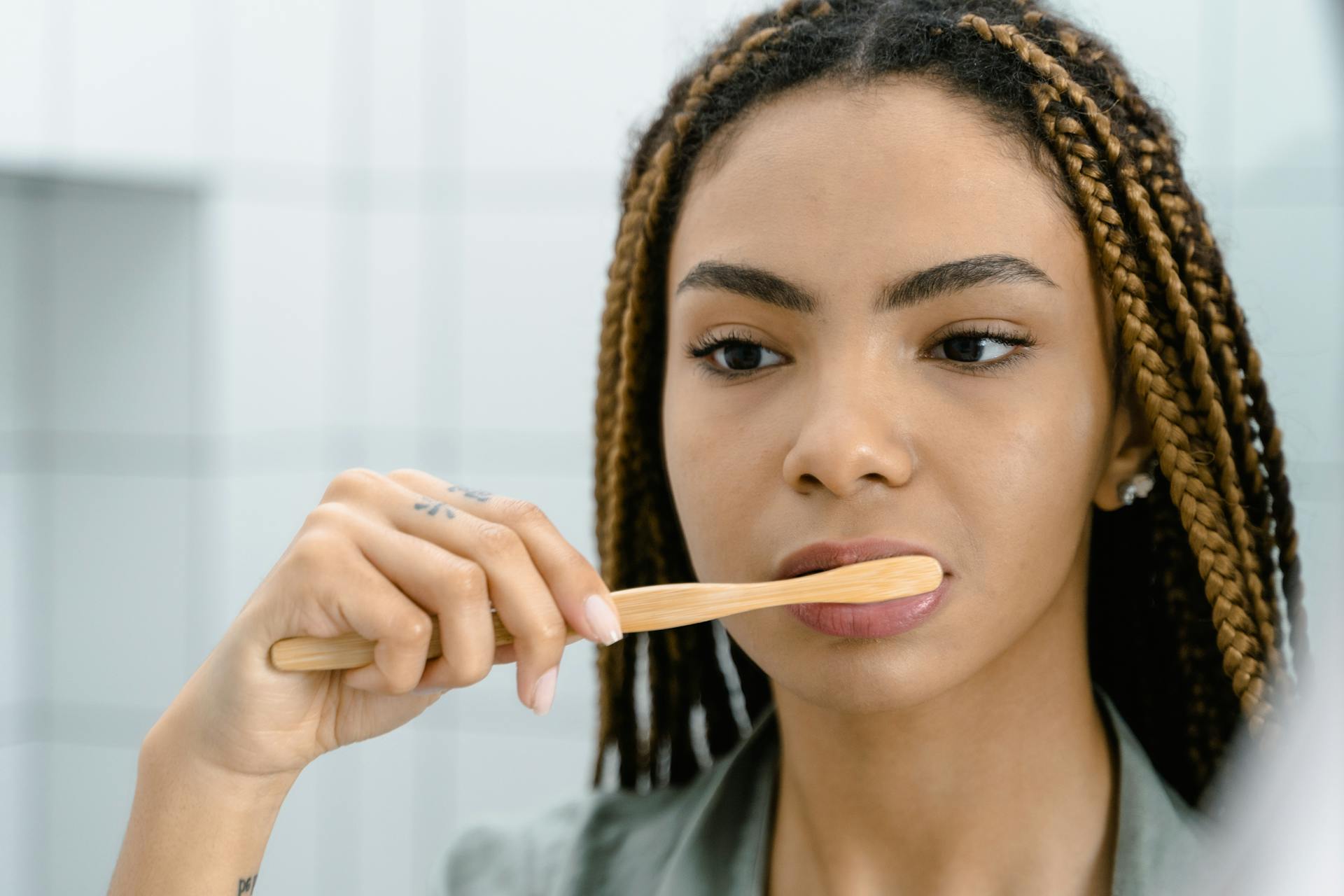
Brushing your teeth twice a day used to be the gold standard of dental care. And while that’s still important, modern dental hygiene has evolved far beyond a simple morning-and-night routine. With advances in science, tech, and lifestyle understanding, taking care of your teeth now involves a lot more than just a toothbrush and some minty paste. If you’re still relying on the same dental habits you learned as a kid, it might be time for an upgrade. Here’s what you need to know about keeping your mouth healthy in today’s world.
Oral Health Starts With Total Health
These days, we know that your mouth doesn’t exist in isolation—it’s directly connected to your overall health. Gum disease, for example, has been linked to heart disease, diabetes, and even Alzheimer’s. That means your dental hygiene habits are not just about preventing cavities—they’re part of taking care of your whole body. If you’re dealing with chronic issues like inflammation, fatigue, or even sleep problems, your oral health could be a hidden contributor. A Dentist who takes the holistic approach can often uncover signs of deeper health concerns just by examining your mouth. This is where they might recommend you solutions like dental implants or traditional bridges.
Flossing Isn’t Optional Anymore

Flossing used to feel like a suggestion—something you’d do the night before a cleaning to avoid the dentist’s side-eye. But today, we understand its role in preventing serious oral health problems. Skipping flossing can allow plaque to build up between the teeth, leading to gum disease and even tooth loss over time. Modern flossing tools—like water flossers and pre-threaded picks—make it easier than ever to clean those hard-to-reach spots. Think of flossing as brushing 2.0: without it, you’re only doing half the job.
Diet Is a Game-Changer
The sugary snack lectures weren’t just scare tactics—your diet really does play a major role in your dental health. But it’s not just about avoiding sugar anymore. Acidic foods, processed snacks, and even frequent snacking can disrupt the pH balance in your mouth and wear down enamel. Meanwhile, foods rich in calcium, vitamin D, and phosphorus support strong teeth and healthy gums. Drinking more water, especially after meals, also helps rinse away harmful bacteria and acids. The way you eat affects your teeth just as much as how you clean them.
Your Toothbrush Might Be Outdated
If you’re still using a basic manual toothbrush you picked up at the grocery store two years ago, it might be time for an upgrade. Electric toothbrushes, especially those with oscillating heads and built-in timers, are proven to be more effective at removing plaque and improving gum health. More importantly, many modern toothbrushes offer features like pressure sensors and app integration to help you brush better and more consistently. Oral care is getting smarter—your tools should be, too.
Routine Checkups Are Non-Negotiable

Even with perfect daily habits, you still need regular professional care. Dental cleanings remove tartar that brushing and flossing can’t, and checkups allow for early detection of …

