
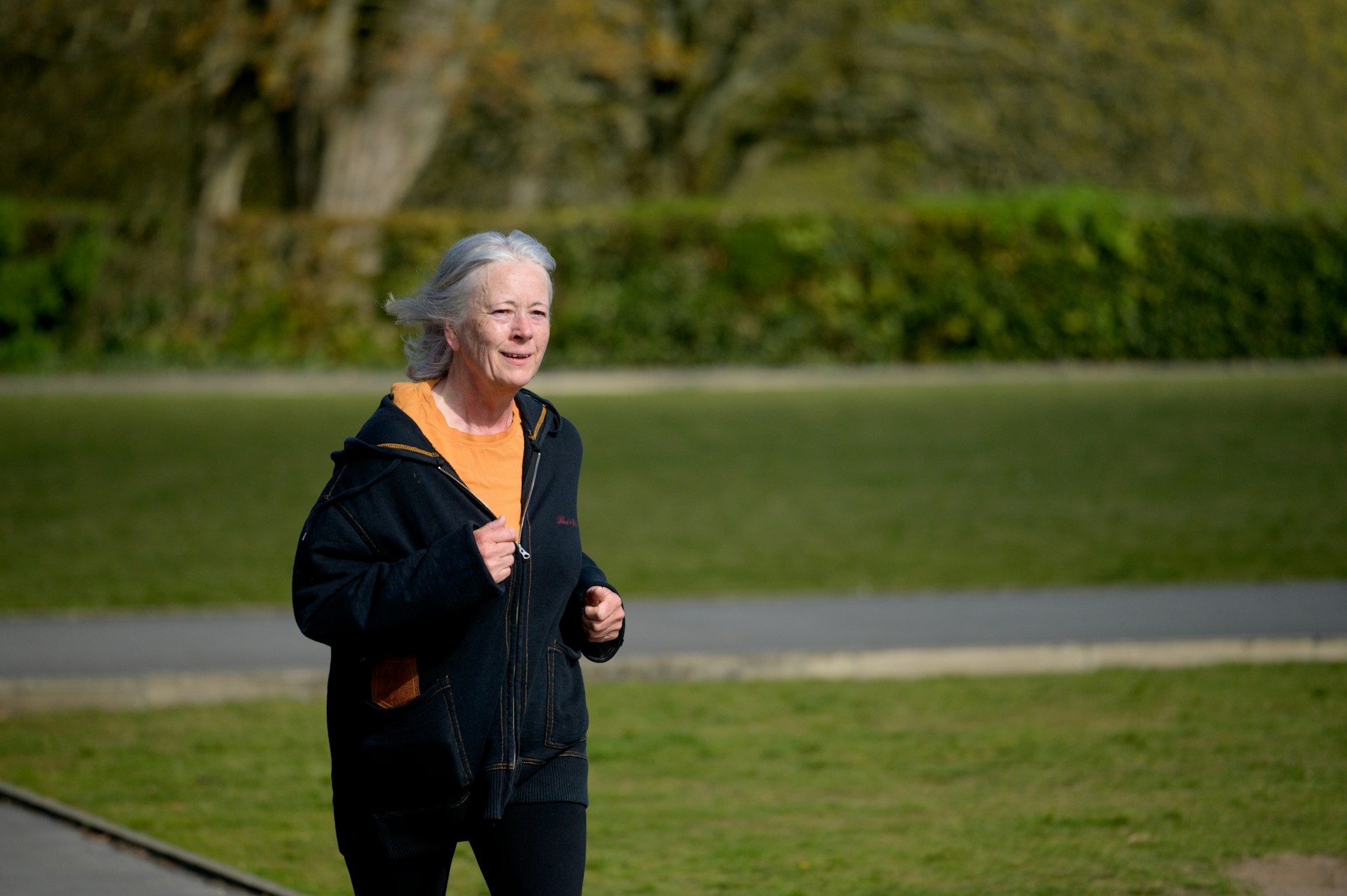
Active by Choice: How Fitness Shapes a Healthy Retirement Lifestyle
Retirement removes schedules, deadlines, and obligations—but it also removes structure. For many people, that sudden freedom can feel disorienting at first. Fitness offers a way to bring rhythm and direction back into daily life without pressure or rigid expectations. When movement is a choice rather than a requirement, it becomes a powerful tool for shaping a retirement that feels intentional, energized, and rewarding.
Movement Creates Daily Structure
 Regular physical activity gives shape to the day in a way few other habits can. A morning walk, an afternoon stretch session, or an evening swim creates natural anchors that prevent days from blending. This sense of structure helps retirees stay oriented and productive while still enjoying flexibility. Fitness becomes a gentle framework that supports balance without feeling restrictive.
Motivation Comes From Choice
Unlike working years, retirement fitness isn’t driven by external expectations. That freedom can be motivating when approached the right way. Choosing activities based on enjoyment rather than obligation helps build long-term consistency. Many retirees begin to appreciate the positive aspects of retirement when they realize they can move on their own terms, adjusting intensity and timing to match their needs and interests.
Identity Beyond the Job Title
Leaving a career often means letting go of an identity that defined decades of life. Fitness offers a new way to define oneself—not by productivity, but by capability and commitment. Many retirees find pride in becoming “someone who moves,” whether that means improving endurance, mastering a new activity, or simply staying consistent. These small wins help rebuild confidence and personal identity after work life ends.
Energy Management Over Time

Retirement doesn’t guarantee unlimited energy, and learning how to manage it becomes increasingly important. Thoughtful movement helps regulate energy levels by reducing fatigue and increasing stamina. Instead of draining reserves, regular activity helps retirees feel more alert and capable throughout the day. This makes it easier to enjoy hobbies, travel, and personal projects without feeling worn down.
Adaptability Keeps Fitness Sustainable
Bodies change over time, and fitness in retirement works best when it adapts. Instead of chasing performance goals, retirees often focus on listening to their bodies and adjusting movement accordingly. This adaptability reduces frustration and injury while keeping activity enjoyable. Fitness becomes a lifelong practice rather than a short-term challenge.
Confidence Through Capability
 Staying active reinforces trust in the body’s abilities. Each completed workout, walk, or stretch session builds confidence that the body can still respond, improve, and adapt. That confidence often carries over into other areas of life, encouraging retirees to try new experiences, travel more freely, or take on creative projects they may have postponed.
An active retirement isn’t about doing more—it’s about choosing wisely. Fitness helps retirees create structure, rediscover identity, manage energy, and build confidence without repeating old routines from working life. When movement is guided by choice and enjoyment, it becomes a sustainable foundation for a healthy, fulfilling retirement that feels genuinely new.…

