
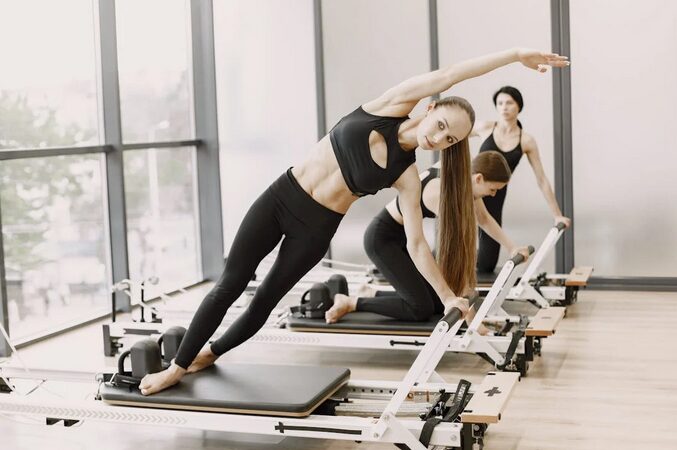
Creative Fitness Ideas for People Who Hate Traditional Workouts
For many people, the idea of fitness still brings to mind rigid routines, loud gyms, and repetitive movements that feel more like chores than self-care. That picture alone can be enough to kill motivation. Yet movement does not have to look like a standard workout to be effective. Creative fitness offers a refreshing alternative, blending physical activity with enjoyment, curiosity, and mental relief. Research continues to highlight how artistic practices proven to lower cortisol levels can support both emotional balance and physical vitality. When movement feels playful instead of forced, consistency often follows naturally. By shifting focus away from rules and reps, fitness becomes something you experience rather than endure, opening the door to habits that actually last.
Dance-Based Movement Without Rules
Dancing is one of the most accessible and freeing ways to move your body. You do not need choreography, mirrors, or an audience. Turning on music and moving however your body reacts allows you to burn calories while releasing tension. This form of movement improves coordination, balance, and cardiovascular health, all without the pressure of counting steps or sets. Styles can change daily, from slow stretching movements to fast-paced rhythm sessions. Dancing also encourages emotional expression, making it especially helpful on stressful days. Over time, this approach builds stamina and flexibility while keeping your mind engaged, making fitness feel spontaneous rather than scheduled.
Nature-Inspired Movement Sessions

Outdoor movement often feels less demanding than indoor workouts. Walking trails, beach paths, or garden spaces invite natural motion like bending, lifting, climbing, and stretching. Activities such as hiking, light trail walking, or even yard projects activate muscles while calming the nervous system. Fresh air and changing scenery help prevent boredom and mental fatigue. Nature-based movement also supports posture and joint health through varied terrain. Instead of repeating the same motion, your body responds to the environment in real time. This approach keeps fitness dynamic, grounded, and emotionally restorative without relying on structured exercise plans.
Creative Strength Through Daily Tasks
Strength training does not have to involve dumbbells and machines. Everyday actions such as carrying groceries, rearranging furniture, or lifting storage boxes provide resistance that challenges muscles. These movements improve functional strength, which supports better balance and injury prevention in daily life. Turning chores into intentional movement sessions reframes effort as purpose. You may squat while organizing shelves or stretch while reaching overhead. This method blends productivity with physical care, creating a sense of accomplishment beyond fitness goals. Over time, these repeated actions build muscle endurance and coordination without feeling like a formal workout session.
Mindful Flow Activities

Mindful flow activities focus on slow, continuous movement paired with breath awareness. Practices like gentle yoga, floor mobility work, or stretching sequences fall into this category. These movements encourage flexibility, joint lubrication, and muscular control while calming mental chatter. Flow-based fitness allows your body to guide the pace, reducing strain and frustration. Sessions can be short or extended depending on energy levels. Because there is no competition or rigid form, the experience feels supportive …

Active by Choice: How Fitness Shapes a Healthy Retirement Lifestyle
Retirement removes schedules, deadlines, and obligations—but it also removes structure. For many people, that sudden freedom can feel disorienting at first. Fitness offers a way to bring rhythm and direction back into daily life without pressure or rigid expectations. When movement is a choice rather than a requirement, it becomes a powerful tool for shaping a retirement that feels intentional, energized, and rewarding.
Movement Creates Daily Structure
 Regular physical activity gives shape to the day in a way few other habits can. A morning walk, an afternoon stretch session, or an evening swim creates natural anchors that prevent days from blending. This sense of structure helps retirees stay oriented and productive while still enjoying flexibility. Fitness becomes a gentle framework that supports balance without feeling restrictive.
Motivation Comes From Choice
Unlike working years, retirement fitness isn’t driven by external expectations. That freedom can be motivating when approached the right way. Choosing activities based on enjoyment rather than obligation helps build long-term consistency. Many retirees begin to appreciate the positive aspects of retirement when they realize they can move on their own terms, adjusting intensity and timing to match their needs and interests.
Identity Beyond the Job Title
Leaving a career often means letting go of an identity that defined decades of life. Fitness offers a new way to define oneself—not by productivity, but by capability and commitment. Many retirees find pride in becoming “someone who moves,” whether that means improving endurance, mastering a new activity, or simply staying consistent. These small wins help rebuild confidence and personal identity after work life ends.
Energy Management Over Time

Retirement doesn’t guarantee unlimited energy, and learning how to manage it becomes increasingly important. Thoughtful movement helps regulate energy levels by reducing fatigue and increasing stamina. Instead of draining reserves, regular activity helps retirees feel more alert and capable throughout the day. This makes it easier to enjoy hobbies, travel, and personal projects without feeling worn down.
Adaptability Keeps Fitness Sustainable
Bodies change over time, and fitness in retirement works best when it adapts. Instead of chasing performance goals, retirees often focus on listening to their bodies and adjusting movement accordingly. This adaptability reduces frustration and injury while keeping activity enjoyable. Fitness becomes a lifelong practice rather than a short-term challenge.
Confidence Through Capability
 Staying active reinforces trust in the body’s abilities. Each completed workout, walk, or stretch session builds confidence that the body can still respond, improve, and adapt. That confidence often carries over into other areas of life, encouraging retirees to try new experiences, travel more freely, or take on creative projects they may have postponed.
An active retirement isn’t about doing more—it’s about choosing wisely. Fitness helps retirees create structure, rediscover identity, manage energy, and build confidence without repeating old routines from working life. When movement is guided by choice and enjoyment, it becomes a sustainable foundation for a healthy, fulfilling retirement that feels genuinely new.…

How Technology Is Helping Gyms Attract and Retain Members
The fitness industry has seen a dramatic shift recently, driven largely by advancements in technology. Today, gyms are no longer just physical spaces for workouts—they are digital ecosystems that connect, engage, and motivate members. Technology enables gyms to offer personalized experiences, streamline operations, and maintain high levels of member satisfaction. Clubfit Software Youtube channel provides insights into innovative tools that help gyms enhance their services, from mobile apps to cloud-based management systems. By integrating the latest technologies, fitness centers can attract new members, retain loyal clients, and create a modern, interactive environment that encourages consistent participation and long-term commitment.
Cloud-Based Management Systems
Cloud technology is revolutionizing how gyms operate behind the scenes. Centralized platforms streamline membership management, billing, and staff coordination. Cloud systems allow staff to access member records, schedule classes, and manage payments from anywhere, reducing administrative burdens. This efficiency translates to better service for members, faster responses to inquiries, and fewer errors in billing or scheduling. By providing real-time updates, gyms can optimize resources, monitor current trends, and make data-driven decisions that improve overall performance. Cloud solutions also support multiple locations, making it easier for chains or franchises to maintain consistency and high standards across their facilities.
Mobile Apps for Member Engagement

Mobile applications are increasingly essential for member interaction. Apps allow users to book classes, track workouts, and monitor progress from their phones. By providing easy access to schedules, notifications, and personalized programs, gyms make the experience more convenient and engaging. Members appreciate the ability to set goals, view progress charts, and receive motivational reminders, which fosters accountability. For gyms, apps facilitate direct communication and marketing, helping promote new programs or membership packages. Offering a seamless mobile experience can make the facility feel more connected to members’ daily routines, increasing client satisfaction and reducing the possiblity of cancellations or lapses in attendance.
Wearable Fitness Technology
Wearable devices like smartwatches, fitness bands, and heart rate monitors have transformed the way members track their performance. By syncing these devices with gym software, members gain insights into workouts, calories burned, and overall progress. This technology promotes goal-setting, self-monitoring, and engagement, which can increase motivation and attendance. Gyms benefit by collecting anonymized data to understand member behavior, preferences, and activity patterns. Integrating wearables with gym platforms also allows trainers to create more effective and personalized programs, enhancing the value of memberships and fostering stronger connections between members and staff.
Virtual and on-Demand Fitness Classes

The demand for flexibility in fitness has grown, and technology has enabled gyms to offer virtual or on-demand classes. Members can participate from home or while traveling, removing barriers like commuting or time constraints. This flexibility improves retention, as members can maintain their routines regardless of location or schedule changes. Gyms can expand offerings without physical limitations, reaching a wider clientele base and creating new revenue streams. High-quality streaming platforms and interactive video classes provide a sense of community, encourage participation, and replicate the energy of in-person sessions, making technology an indispensable tool in modern fitness engagement.…

Common Mistakes in Weight Training and How to Fix Them
Weight training is one of the most effective ways to build strength, improve fitness, and shape the body. However, it is also an area where many beginners and even experienced lifters make mistakes that limit progress or lead to injury. The gym can be intimidating, and in the rush to see results, people often overlook the basics that ensure long-term success. There are several habits that sabotage your workout progress, and it is important to know them. Recognizing the most common mistakes in weight training and knowing how to fix them is essential if you want to maximize your workouts while staying safe.
Poor Lifting Techniques

One of the most frequent errors in weight training is using incorrect form. Many lifters compromise technique in an attempt to move heavier weights, but this often results in unnecessary strain on joints and muscles. Poor form not only reduces the effectiveness of the exercise but also increases the risk of injury. The solution is to focus on lighter weights at the beginning, paying close attention to posture, breathing, and controlled movements. Once form is perfected, gradually adding more weight ensures that strength develops safely and efficiently.
Lifting Too Heavy Too Soon
Many gym-goers assume that the fastest way to build muscle is by lifting the heaviest weights possible. Unfortunately, this often leads to burnout or injury when the body is not ready for such loads. Progressive overload, which involves gradually increasing the weight as strength improves, is a safer and more effective strategy. By starting with manageable weights and focusing on controlled progress, you build both muscle and confidence without unnecessary risks.
Skipping Warm-ups and Cool-Downs

Another common mistake is heading straight into lifting without warming up or ending a session without cooling down. Warm-ups are critical because they prepare the muscles and joints for the stress of training, reducing the risk of strains. Similarly, cool-downs with stretching help improve flexibility and recovery. Fixing this mistake is simple; spend at least a few minutes on dynamic stretches or light cardio before lifting, and finish with gentle stretches to keep your body in balance.
Ignoring Personal Goals
It is easy to get caught up in what others are doing in the gym, but not every training style fits every person. Copying routines without considering your own fitness level, goals, and limitations can lead to frustration and wasted effort. Instead, design a program that aligns with your specific objectives, whether that is building strength, improving endurance, or losing weight. By staying focused on your personal path, you are more likely to achieve consistent and meaningful results.
Neglecting Rest and Recovery

Weight training does not only happen in the gym—progress continues during recovery. A common mistake is training the same muscle groups every day without giving them time to repair. This not only slows down progress but can also lead to overuse injuries. The fix is to incorporate rest days and alternate between different muscle groups, allowing each area to recover fully. Adequate sleep and …

Common Dieting Myths That Could Be Holding You Back
When trying to lose weight, especially in college or during a busy season of life, it’s easy to get sidetracked by misinformation. The internet is overflowing with diet advice—some helpful, some outdated, and some downright misleading. These myths not only slow down your progress but can also harm your relationship with food. Before you dive into another extreme meal plan or give up on your goals, check out this list of student-friendly weight loss tips that can help you build healthier habits without overcomplicating things. Let’s now break down some of the most common dieting myths that may be interfering with your results—and what you should know instead.
Carbs Are the Enemy
One of the most widespread misconceptions is that cutting carbs leads to rapid weight loss. The truth is, carbs are not inherently fattening. Your body needs carbohydrates for energy, especially if you’re active. Whole grains, fruits, and vegetables are packed with fiber and nutrients that support healthy digestion and fuel your brain and muscles. Low-carb diets can lead to short-term weight loss due to water loss, but they’re hard to maintain. The moment you return to regular eating, the weight tends to come back. Instead of avoiding carbs completely, focus on balance. Choose minimally processed options like oats, sweet potatoes, and brown rice rather than white bread or sugary snacks.
You Have to Eat Less to Lose Weight

Cutting calories drastically may sound logical, but it can backfire fast. Your metabolism slows down, and you may feel tired, moody, and more prone to overeating later. Skipping meals or going long periods without eating can also lead to binge eating, which defeats the purpose. Rather than starving yourself, aim to eat in a slight calorie deficit. Include enough protein and healthy fats to keep you full, and don’t be afraid to snack if you’re hungry. Sustainable weight loss comes from steady changes—not extreme deprivation.
All Calories Are Created Equal
Technically, a calorie is a unit of energy. But not all calories impact your body the same way. Three hundred calories from a donut won’t have the same effect as 300 calories from a veggie-packed salad with lean protein. The source of your calories affects your hunger levels, energy, blood sugar, and even how much your body burns during digestion. Quality matters. Prioritize foods that nourish your body and keep you satisfied for longer. This doesn’t mean you have to avoid your favorite treats forever—but they shouldn’t make up the bulk of your intake either.
Supplements Are Necessary for Weight Loss

The supplement industry is massive, and many products promise fast fat-burning results. But let’s be honest—most of them are unnecessary. Relying on pills, powders, or teas won’t magically make you lose weight if your eating and activity habits aren’t consistent. Some supplements like protein powder or multivitamins can be helpful depending on your diet, but they’re not essential for success. Focus instead on building routines you can stick with—moving your body regularly, eating balanced meals, drinking enough water, and …

Train Your Brain Like a Muscle
Focus isn’t born, it’s built. Much like abs or biceps, mental endurance takes repetition, not magic. Before you blame yourself for zoning out again, let’s rethink the approach. You’ll find these routines useful, highlighting ways to boost focus and get work done. Physical wellness plays a surprising role in staying sharp.
Fuel Doesn’t Come in a Coffee Cup
Even habits that feel minor, like breathing deeply or stretching, can shift your entire mindset. You know the drill: late night, early alarm, back-to-back tasks. Your first move? Probably caffeine. Maybe sugar. But your brain’s engine wasn’t meant to run on fumes and quick fixes. Real energy comes from food that does more than fill space. Think protein-rich breakfasts. Think complex carbs. Add water, lots of it. It’s not glamorous, but neither is crashing mid-task. And yes, skip the third espresso. It tricks you into alertness, then pulls the rug out an hour later.
Sleep Like You Mean It
All-nighters aren’t badges of honor. They’re receipts for bad decisions. You think you’re getting ahead, but your focus is a fraction of what it could be with real sleep. Even a 20-minute nap can recharge more effectively than scrolling through your feed pretending to “take a break.” Sleep is when your brain files away chaos.
Movement Isn’t a Distraction, It’s a Reset Button

No, sitting for five hours doesn’t make you disciplined. It makes you stiff. And sleepy. Exercise doesn’t have to mean full-on workouts. Short walks, neck rolls, or a minute of jumping jacks do the trick. The point is to break the pattern of stillness. Motion fuels circulation. More blood to your brain means more clarity to your thoughts. If you’ve ever had your best ideas in the shower, you already know movement unlocks thinking.
Set the Scene Like a Stage
You can’t focus in a tornado. Clutter distracts. Noise interrupts. Even bad lighting makes your brain work harder than it needs to. Create your space like you’re casting a spotlight on the task. That doesn’t mean sterile or boring. It means intentional, maybe a candle or favorite hoodie, or even silence or a lo-fi playlist. Make it yours and consistent.
Be Your Own Coach, Not Your Critic
Here’s the tricky part: mental health and motivation dance together. One throws the party, the other decides if you show up. You don’t need to be perfect. You need to be persistent. Self-discipline gets better with small wins. Give yourself credit for those wins. Talk to yourself like you’d talk to a stressed friend: “One step at a time.” “Let’s just start.” “It’s okay to pause.” That kind of voice keeps you grounded when stress wants to run the show. After all, building focus is like training a muscle, it needs consistency, not pressure.
So, fuel your body with real nutrition, move often, sleep well, and create a distraction-free space. Small wins matter. Instead of being self-critical, coach yourself with kindness. These habits strengthen both mental clarity and motivation without burning you …

