
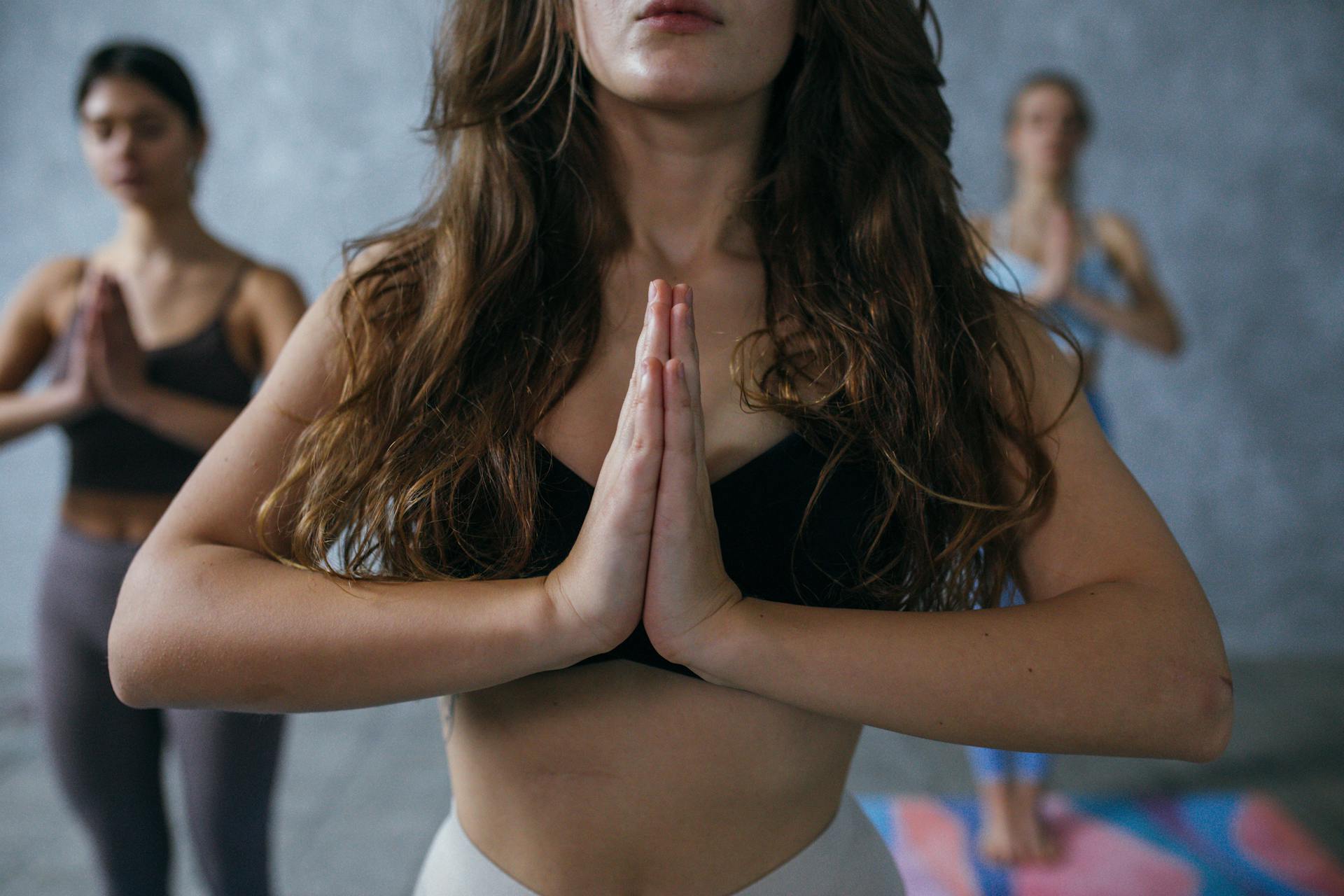
Stress isn’t just a mental burden. It affects the body in profound ways. Elevated cortisol levels can disrupt digestion, weaken immunity, and increase inflammation. Over time, this leads to fatigue, poor sleep, and chronic pain. Addressing stress proactively is crucial for long-term health. Also, this guide to rejuvenating Pilates retreats offers a unique opportunity to tackle these effects in a structured, supportive environment.
Building a Resilient Core for Better Health
 A resilient core is the foundation for both posture and overall wellness. Pilates focuses on engaging deep abdominal and back muscles to stabilize the spine. Strengthening these areas reduces strain on joints, supports proper alignment, and enhances mobility. Retreats allow participants to focus on core development consistently, creating lasting improvements in physical health.
Using Nature and Environment as Healing Tools
Pilates retreats often take place in calming natural surroundings, such as beaches, forests, or mountain resorts. Exposure to nature lowers stress hormones, improves mood, and enhances mental clarity. Combined with mindful movement, this setting encourages participants to disconnect from daily pressures and reconnect with their bodies. The environment itself becomes a tool for physical and emotional rejuvenation.
Breathing Techniques to Reduce Stress and Inflammation
Breathwork is central to Pilates, yet its health benefits go far beyond relaxation. Deep, controlled breathing improves oxygen delivery to tissues, reduces blood pressure, and lowers stress-related inflammation. At retreats, instructors guide participants in combining breath with movement, creating a rhythm that enhances both mental and physical well-being.
Considering Controlled Movement for Mind-Body Restoration

The precision of Pilates exercises ensures that each movement is intentional and safe. Low-impact, controlled motions improve flexibility, joint health, and muscular balance. This mindful approach minimizes the risk of injury and promotes gentle rehabilitation for those recovering from strain or overuse. Participants leave retreats with stronger, more resilient bodies ready to handle daily physical challenges.
Allowing Personalized Programs for Holistic Healing
One of the standout benefits of a Pilates retreat is individualized attention. Instructors assess posture, mobility, and muscle imbalances to create personalized routines. This ensures exercises target the areas most in need of care, improving strength, alignment, and flexibility. Personalized guidance allows participants to safely challenge themselves while maximizing health outcomes.
Incorporating Practices That Support Recovery
 Many retreats incorporate additional wellness practices, such as meditation, yoga, and nutrition workshops. Meditation promotes mental clarity and emotional resilience. Yoga stretches release tension and improve flexibility. Nutritional guidance ensures the body is fueled properly for recovery and energy. Combined, these practices provide a holistic approach to improving overall health and reducing stress.
Sustaining Health Benefits Beyond the Retreat
The true value of a Pilates retreat lies in its lasting impact. Participants learn techniques that can be integrated into daily life, from posture-correcting exercises to mindful breathing routines. Regular practice maintains core strength, enhances balance, and reduces the likelihood of stress-related physical issues. Retreats empower individuals to continue their wellness journey long after leaving the program.
Pilates retreats offer a unique pathway to both physical and mental health. Through targeted core exercises, controlled movement, mindful breathwork, and a serene environment, participants experience reduced stress, improved posture, and increased resilience. Complementary practices such as meditation, yoga, and nutrition support holistic wellness. By adopting these practices into daily life, individuals can maintain long-term health, improve mobility, and achieve a balanced, rejuvenated lifestyle.

