
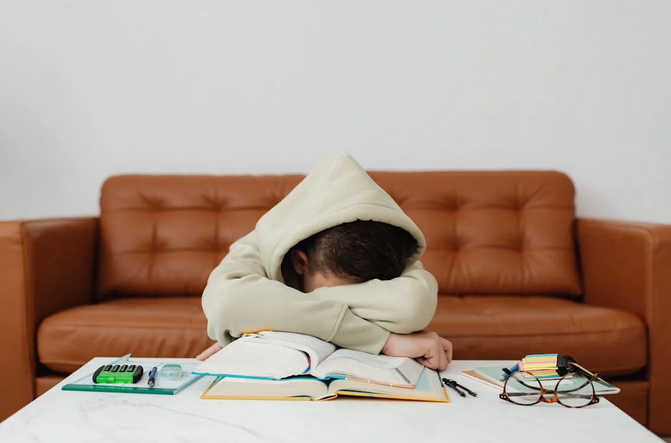
Physical activity plays a key role in children’s health. Sports, dance, and play help build strength, coordination, and confidence. But when the activity becomes too much, it can lead to unexpected problems especially with sleep. While regular exercise often improves rest, overtraining can have the opposite effect. Understanding the signs and knowing what to look for can help you find the right balance, and this article shares surprisingly helpful kids’ sleep tips to guide you along the way.
What Overtraining Looks Like in Kids
Overtraining doesn’t just happen to adult athletes. Children can also push past their limits. It may start with long practices, daily workouts, or packed sports schedules. Over time, the body and mind don’t get enough time to recover. This leads to fatigue, irritability, and a drop in performance. For children, overtraining may not always be easy to spot. They may want to keep up with teammates or meet the expectations of coaches and parents. But their developing bodies need more rest than adults, and they may not recognize when they’ve pushed too far.
How Overtraining Disrupts Sleep Patterns
One of the earliest signs of overtraining is a change in sleep. A child who’s physically and mentally overworked may struggle to fall asleep. Their nervous system stays activated, even after activity ends. Instead of winding down, their body stays alert. This can lead to tossing, turning, and frequent night waking. On the flip side, some children may feel exhausted but still wake up too early or feel unrefreshed after sleep. Over time, disrupted rest prevents full recovery, creating a cycle that affects both physical and emotional well-being.
Stress Hormones and Sleep Interference
When a child is overtraining, stress hormones like cortisol stay elevated for longer periods. Cortisol helps the body respond to physical demands. But if it stays high into the evening, it interferes with melatonin the hormone that helps signal sleep. This hormonal imbalance can lead to delayed bedtimes, restless sleep, and early morning waking. The result is poor-quality rest, even if your child is in bed for the right number of hours. In growing bodies, this has long-term effects on mood, focus, and physical recovery.
Emotional Clues That Point to Overtraining

Sleep isn’t the only thing affected. A child who is overtrained may show emotional changes before physical ones. Watch for increased irritability, sudden mood swings, or a drop in enthusiasm for activities they used to enjoy. These shifts often surface when a child is no longer recovering well. Anxiety before practices, complaints of feeling “tired but wired,” or emotional breakdowns over small issues can also signal a problem. These emotional signs are often connected to poor sleep caused by overtraining.
Physical Symptoms That Disrupt Rest
Muscle soreness, joint pain, or frequent headaches can also interfere with sleep. If a child’s body never gets the chance to fully recover, these symptoms may become nightly obstacles. They might toss and turn or wake frequently to adjust their position. Pain, even mild, can keep kids from reaching the deeper stages of sleep that are most restorative. Frequent colds or slow healing from minor injuries are also worth noting. They suggest the immune system isn’t getting the support it needs another sign of poor recovery and disrupted rest.
How to Restore Balance and Protect Sleep
The first step is to take rest seriously. Rest days aren’t just a break from training they’re when the body rebuilds. Reduce the frequency or intensity of workouts if you notice ongoing sleep disruptions. Encourage activities that support calm rather than more output, like stretching, nature walks, or unstructured play. Sleep routines matter too. Make sure your child has enough time to wind down each night. Avoid screens and high-energy activity before bed. Create a consistent routine that sends a clear signal to the body that it’s time to rest.
The Importance of Listening to the Body
Children grow fast. Their bodies send signals when something’s off, even if they don’t always have the words to explain it. As a parent, noticing changes in sleep, energy, and mood can help you intervene before overtraining becomes a bigger issue. Encourage open conversations. Let your child know it’s okay to rest, to say no, or to take a break from structured activity. Rest is not a sign of weakness it’s part of building strength and resilience. Protecting sleep is one of the utmost ways to support long-term health, especially in active children.
Overtraining can quietly disrupt a child’s sleep, leading to a cycle of fatigue and poor recovery. It can affect mood, growth, and performance if not addressed early. By watching for signs and adjusting activity levels as needed, you can help ensure that your child stays active, healthy, and well-rested. A balanced routine doesn’t just improve physical performance it supports the whole child, day and night.

